Begin with the project, not a generic retouching style
The right fashion retoucher depends on what the photographs need to achieve. A clean e-commerce lookbook, an editorial story and a campaign hero may use the same source camera files but require different decisions about skin, garments, colour, backgrounds and final inspection. Before comparing portfolios, define the intended use, number of images, delivery size and deadline.
A useful brief also separates essential corrections from personal preferences. Garment colour may need to match a physical sample, permanent skin features may need to remain, and a publication may require a specific crop or colour profile. When those requirements are clear, it becomes easier to judge whether a retoucher is responding to the assignment or simply applying one familiar finish.
If the project contains several levels of complexity, identify the hero images and supporting frames. A close beauty crop may need High-end attention while full-length images from the same collection need a lighter Model finish. A capable retoucher should be able to explain that distinction before production begins.
- Define whether the project is a lookbook, editorial, campaign or e-commerce set
- Confirm the total image count and identify hero frames
- List the required crops, dimensions, formats and colour spaces
- State the real deadline and any staged delivery dates
- Mark details that must remain unchanged
Review the portfolio for restraint as well as polish
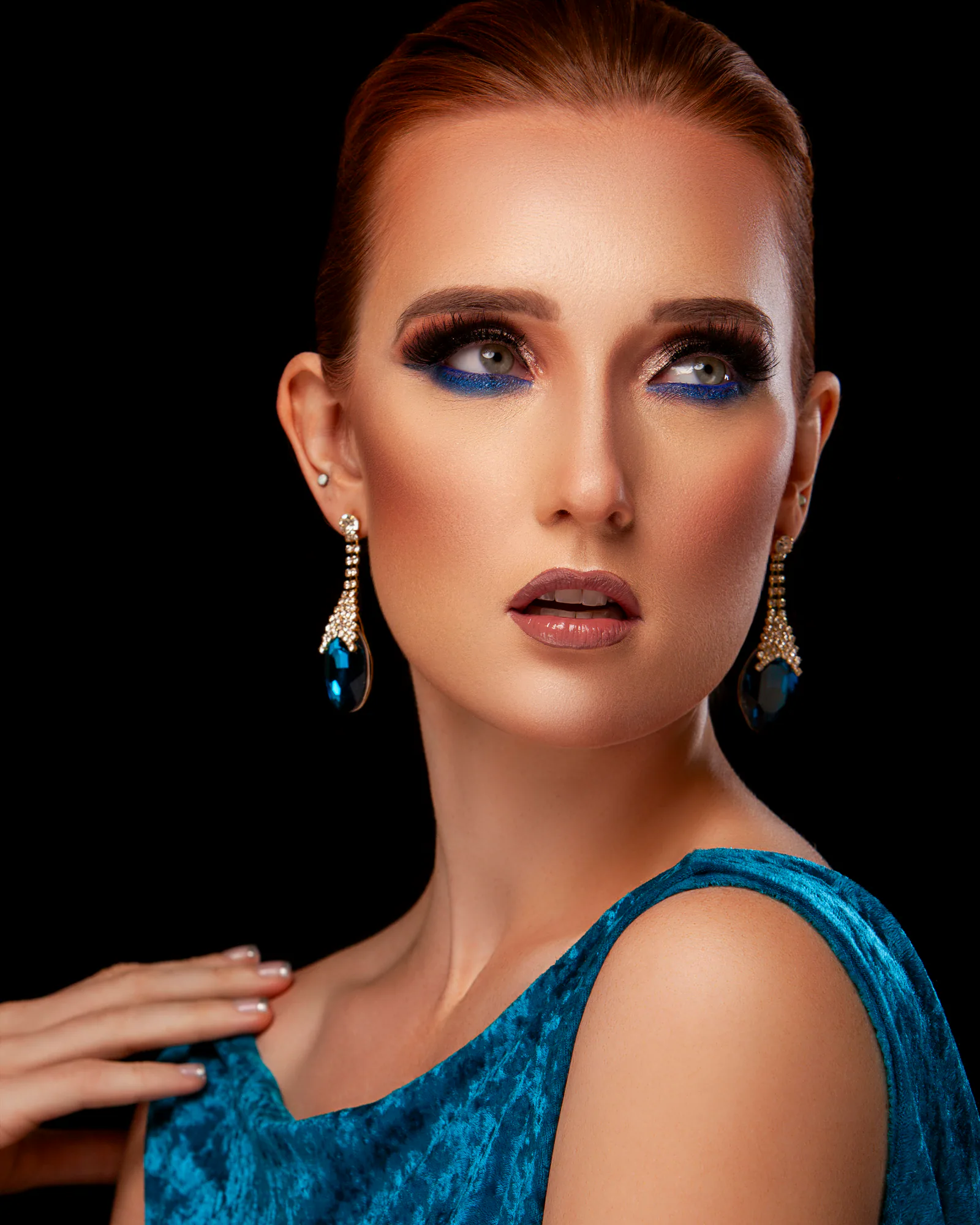
A strong portfolio should show judgement, not only dramatic transformation. Look closely at skin texture, hair edges, garment construction, hands, jewellery and transitions between the subject and background. The finished image should appear intentional at normal viewing size and remain technically convincing when inspected closely.
Fashion imagery often depends on details that should not be cleaned away. Fabric texture, seams, makeup structure and natural facial characteristics contribute to the design and identity of the photograph. Excessive smoothing, repeated skin texture, clipped shadows or halos around the model may look polished at first glance but create problems in print and high-resolution delivery.
Consistency matters as much as the strongest single image. If a portfolio shows a series, check whether skin warmth, garment colour, black point and background density remain coherent from frame to frame. A client is usually commissioning a complete collection, not one isolated portfolio result.
- Natural texture remains visible without distracting unevenness
- Hair and garment edges are clean at full resolution
- Body and facial proportions remain believable
- Retouching supports the lighting rather than flattening it
- Colour and contrast remain consistent across a sequence
Ask how the retoucher creates consistency across a series
A fashion retoucher should be able to describe how a visual direction is established and repeated without treating every photograph identically. For many projects, one representative frame is developed first as a visual master. The approved choices for skin, garment cleanup, colour and contrast then guide the rest of the set.
Series work still requires individual decisions. A change in pose can reveal new fabric folds, a tighter crop can expose more skin detail, and a background may vary across the shoot. Automated settings can provide a starting point, but they cannot replace frame-by-frame inspection or a final sequence review.
Ask whether the retoucher reviews the images together before delivery. Contact sheets or grouped comparisons help identify colour drift, inconsistent cleanup and changes in visual weight that are difficult to notice when each file is viewed alone.
- A representative frame can be approved before full production
- The brief is translated into repeatable visual decisions
- Each frame is still inspected for its own problems
- The completed set is reviewed as a sequence
- Final exports are checked at their intended output size
Evaluate workflow, communication and quality control
Good retouching can still become a difficult service if the workflow is unclear. Before commissioning a project, confirm how files are transferred, how the scope is approved, when the first review takes place and how feedback should be supplied. Consolidated comments are easier to interpret and reduce the risk of conflicting revisions.
The quotation should state the image count, level of work, delivery format, schedule and included review process. It should also identify requests that fall outside the agreed scope, such as major compositing, additional crops or layered working files. This is not unnecessary administration; it gives both client and retoucher the same definition of completion.
Quality control should cover more than visible skin cleanup. A professional final check can include dust, hair, hands, garment seams, background joins, colour consistency, dimensions, file names and embedded profiles. Ask what is reviewed before delivery rather than assuming every studio uses the same checklist.
- Secure and organised file transfer
- Written confirmation of scope and deadline
- A defined method for supplying consolidated feedback
- Clear handling of extra requests or changed briefs
- Technical and visual quality control before export
Compare quotations by scope, not price alone
Two per-image prices may describe very different services. One quote may cover simple global adjustments while another includes detailed skin work, garment cleanup, series colour matching and final quality control. Compare what will be changed, the level of inspection, the review process and the files that will be delivered.
Source quality and requested finish affect the estimate. Difficult flyaway hair, damaged backgrounds, complex fabric reconstruction, multiple output versions and urgent scheduling can add working time. A realistic quote normally follows a review of representative originals rather than an image count alone.
Midori Studio publishes indicative starting rates to support early planning, then confirms the final price after reviewing the files and brief. This allows simple frames and complex hero images to be quoted at appropriate levels instead of forcing the entire set into one unsuitable category.
- Check whether skin, hair, garments and backgrounds are included
- Confirm how many review rounds or consolidated revisions are covered
- List all required web, print and alternate exports
- Ask whether layered files are included or quoted separately
- Obtain approval before additional work changes the total
Use a representative test retouch when alignment matters
A test retouch is most useful when it answers a specific production question. Choose a representative image rather than the easiest frame in the collection, and provide the same references and instructions that would apply to the full project. The result can then be evaluated for judgement, communication and technical finish.
Review the test at the intended delivery size as well as at full resolution. Check whether the skin remains believable, the garment retains its construction, the colour direction fits the series and requested details have been interpreted correctly. Feedback from the test can become part of the approved visual standard for production.
A test should not be treated as an unlimited speculative edit. Confirm its scope, resolution and usage before work begins. Midori Studio can provide a complimentary representative test for suitable projects after the brief and source file have been reviewed.
- Select a frame that represents the real difficulty of the project
- Provide references and written priorities
- Evaluate the result at full size and final output size
- Give one consolidated set of comments
- Confirm the approved direction before the remaining files begin
A final checklist before commissioning a fashion retoucher
The best choice is the retoucher whose portfolio and process match the specific commission. A consistent finish, honest scope and dependable communication usually create more value than selecting a provider from one dramatic image or the lowest isolated price.
Before approval, make sure the retoucher has seen representative originals and understands the intended use. Confirm the image count, visual priorities, delivery specifications, schedule, feedback process and final quotation in writing. If any item remains uncertain, resolve it before full production begins.
Midori Studio works with photographers, agencies and brands on fashion, editorial and beauty images. Send representative files with the project brief to discuss the appropriate level of retouching, receive a tailored quotation and arrange a suitable test image.
- Portfolio quality matches the intended finish
- Series consistency is demonstrated or clearly explained
- The workflow and feedback process are documented
- The quotation defines scope, deliverables and exclusions
- The retoucher has reviewed representative source files
- The approved schedule is realistic for both parties