What professional fashion retouching is expected to solve
A fashion photograph has several subjects at once: the model, the garment, the styling, the light and the visual identity of the client. Professional fashion photo retouching services bring those elements into one controlled result without making the image feel processed. The best finish supports the direction already present in the photography.
That work can include natural skin refinement, flyaway hair cleanup, fabric shaping, lint and crease removal, colour correction, background repair and compositing. Each decision is judged against the final use. A close campaign crop may require meticulous detail work, while a fast-moving e-commerce collection needs dependable consistency across a much larger image count.
A retoucher should also identify what must not be changed. Garment construction, beauty marks, body shape and intentional texture can carry creative or commercial meaning. Clear boundaries protect the integrity of the image and reduce unnecessary revision rounds.
- Natural skin and hair refinement
- Garment cleanup and fabric control
- Colour consistency across the series
- Background and set cleanup
- Compositing when required
- Output prepared for web or print
Lookbooks, campaigns and editorials need different priorities
A lookbook usually needs accurate garments, repeatable crops and visual consistency from one outfit to the next. The retouching should help buyers, editors or customers understand the collection. Fabric colour, silhouette and construction therefore matter more than dramatic changes to the scene.
Campaign imagery allows a more distinctive finish. Skin, set, lighting and atmosphere can be shaped more deeply, but the result still has to belong to the brand. Hero images often receive additional local sculpting, compositing and colour work because they must hold attention at large scale across print, outdoor, web and social placements.
Editorial retouching follows the visual story. Variation can be valuable: one frame may be softer, another more graphic, and another deliberately imperfect. The retoucher's job is to preserve that rhythm while preventing technical inconsistencies from distracting the viewer.
Refine skin, hair and wardrobe without losing material truth
Skin should retain pores, transitions and facial structure. Texture is not a defect; it is part of the subject. Professional refinement removes temporary distractions and balances tone while keeping the face believable under the original light. Hair is treated with the same restraint, cleaning only the strands that interrupt the intended silhouette or cover important styling details.
Wardrobe work is equally material-specific. Silk, velvet, denim, knitwear, leather and sequins respond to light differently. Removing every crease can erase the construction of a garment, while aggressive dodge and burn can create false volume. The goal is a cleaner read of the design, not a synthetic surface.
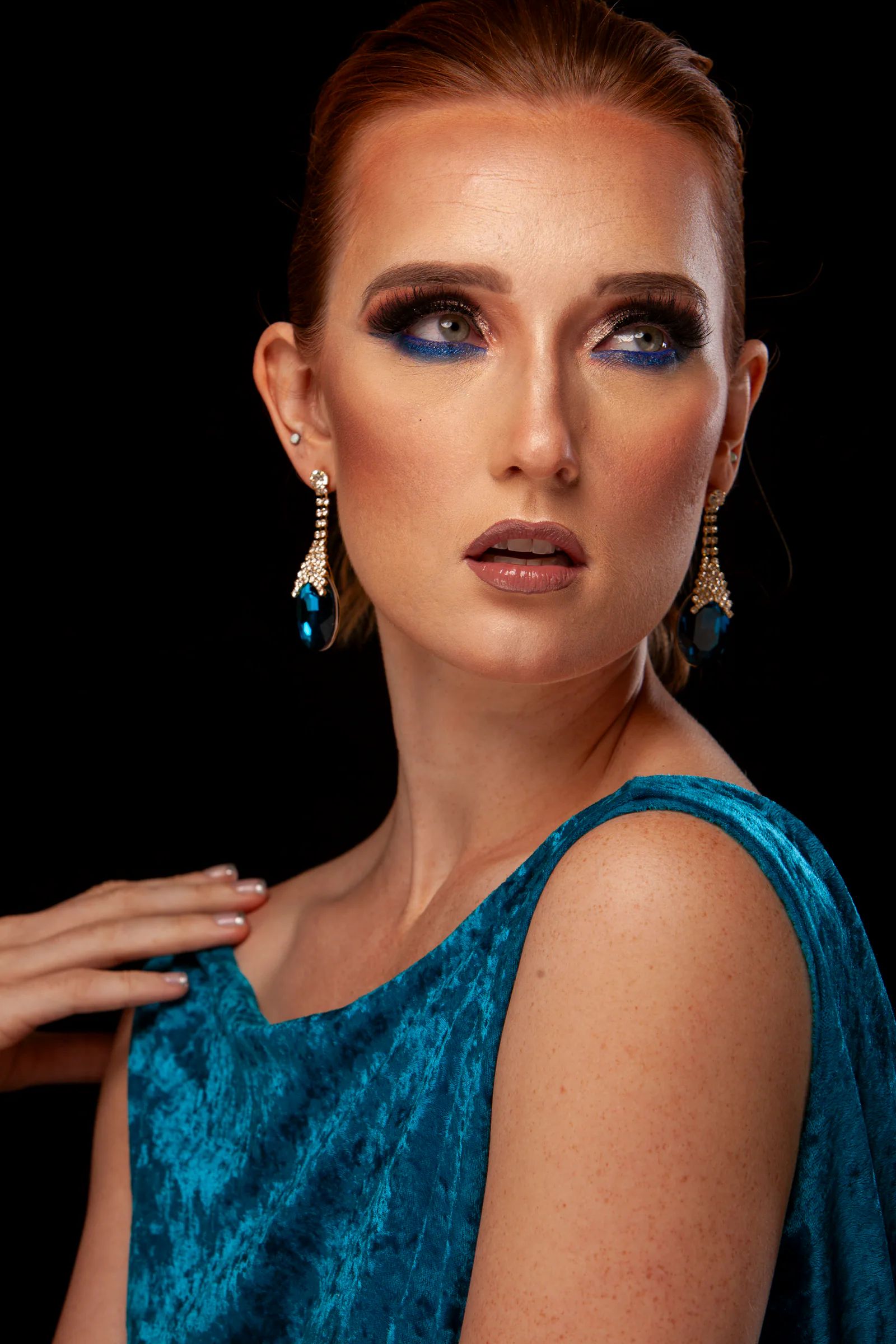
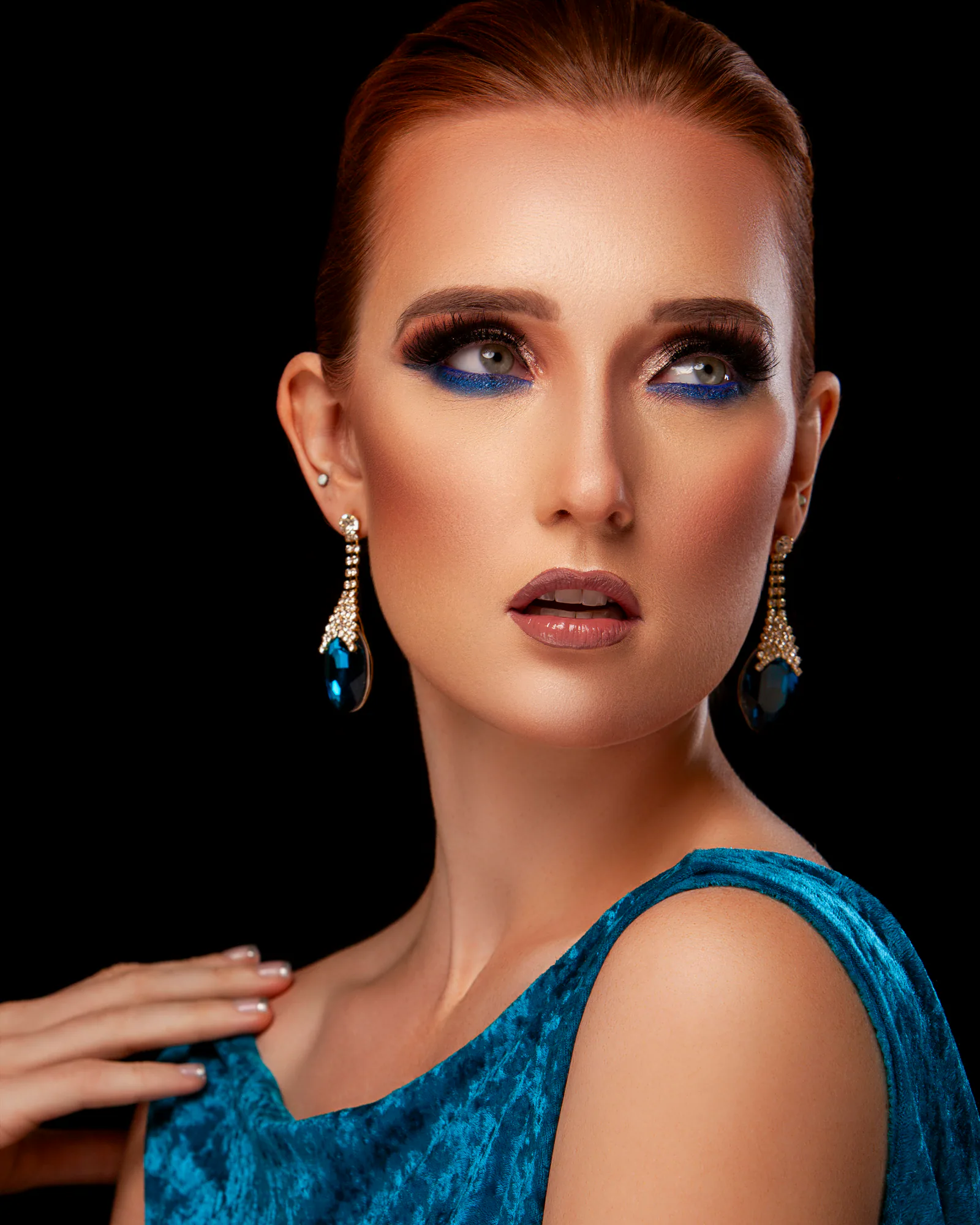
The comparison below shows how colour, skin and garment detail can be refined while the model's expression and the tactile character of the styling remain intact.
Build colour continuity across the complete fashion series
A collection is reviewed as a sequence, not as isolated files. Small differences in white balance, skin warmth, black point or background density become obvious when images are placed next to each other. Establishing a few approved reference frames early gives the whole series a dependable visual target.
Consistency does not mean applying one preset to every image. Lighting direction, exposure, fabric colour and reflective makeup can change between frames. Local corrections are often required to keep the relationship between skin, wardrobe and background stable without flattening legitimate variation.
For multi-day productions, reference notes should record the approved contrast, saturation, skin direction and output profile. That information helps new files join the campaign later without drifting away from the original visual language.
- Approve reference frames first
- Compare images at a consistent scale
- Match relationships rather than one colour value
- Check garment colour against reliable references
- Review the sequence before final export
- Confirm the delivery colour profile
A dependable fashion retouching workflow
The process begins with the brief, selects, references, image count, usage and deadline. Files are then checked for resolution, colour profile, focus and any missing elements before detailed work begins. Potential issues should be raised at this stage, when creative and production decisions are still inexpensive to change.
One or more representative images are developed into a visual master. This is where skin treatment, garment cleanup, colour direction and background finish are aligned. Once approved, the same principles are applied across the series with frame-specific judgement rather than mechanical duplication.
Quality control happens at both working size and final output size. The retoucher checks edges, repeated patterns, hair, hands, garment seams, backdrop transitions and colour continuity. Final files are exported to the required dimensions, naming convention and profile, then checked again before delivery.
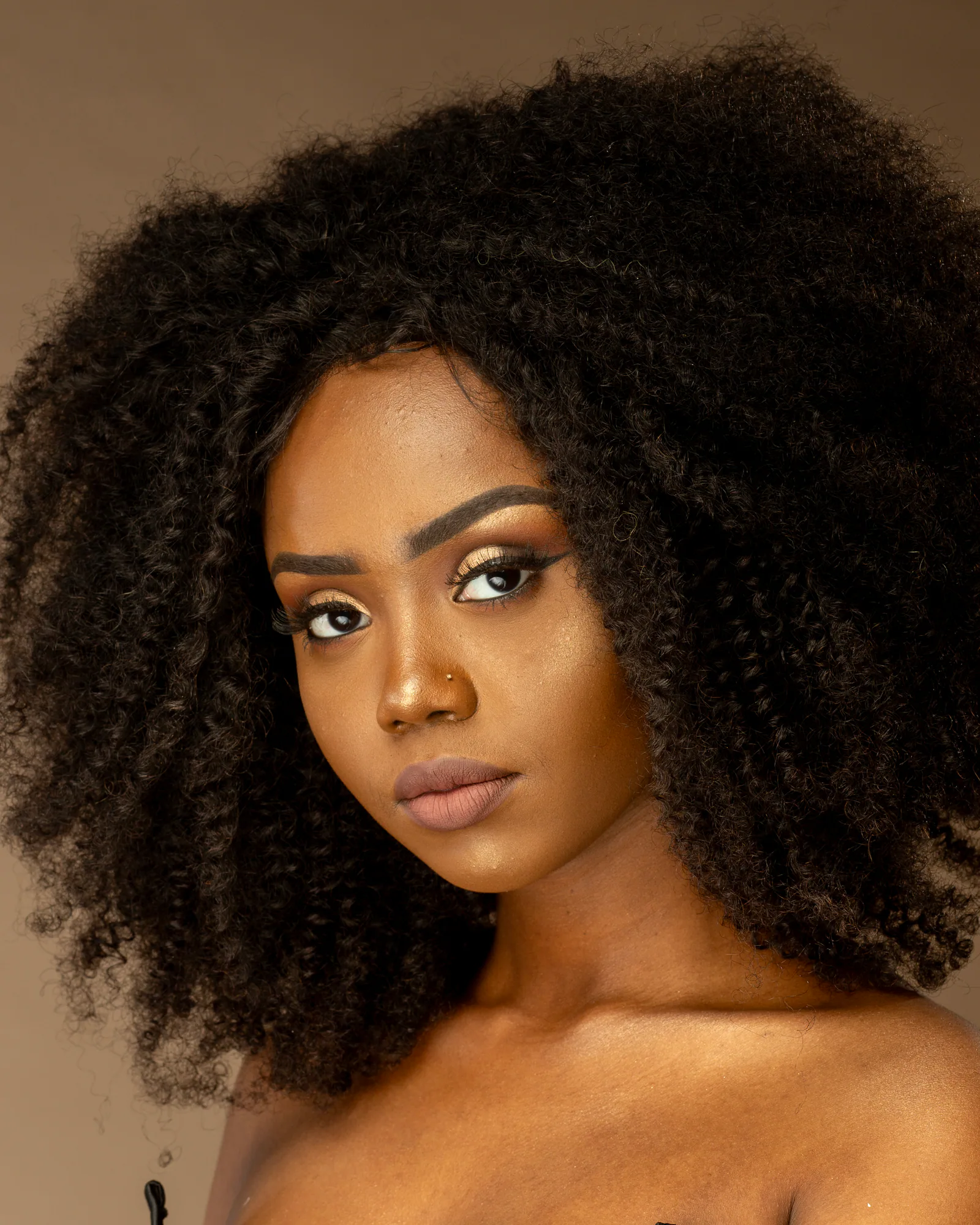
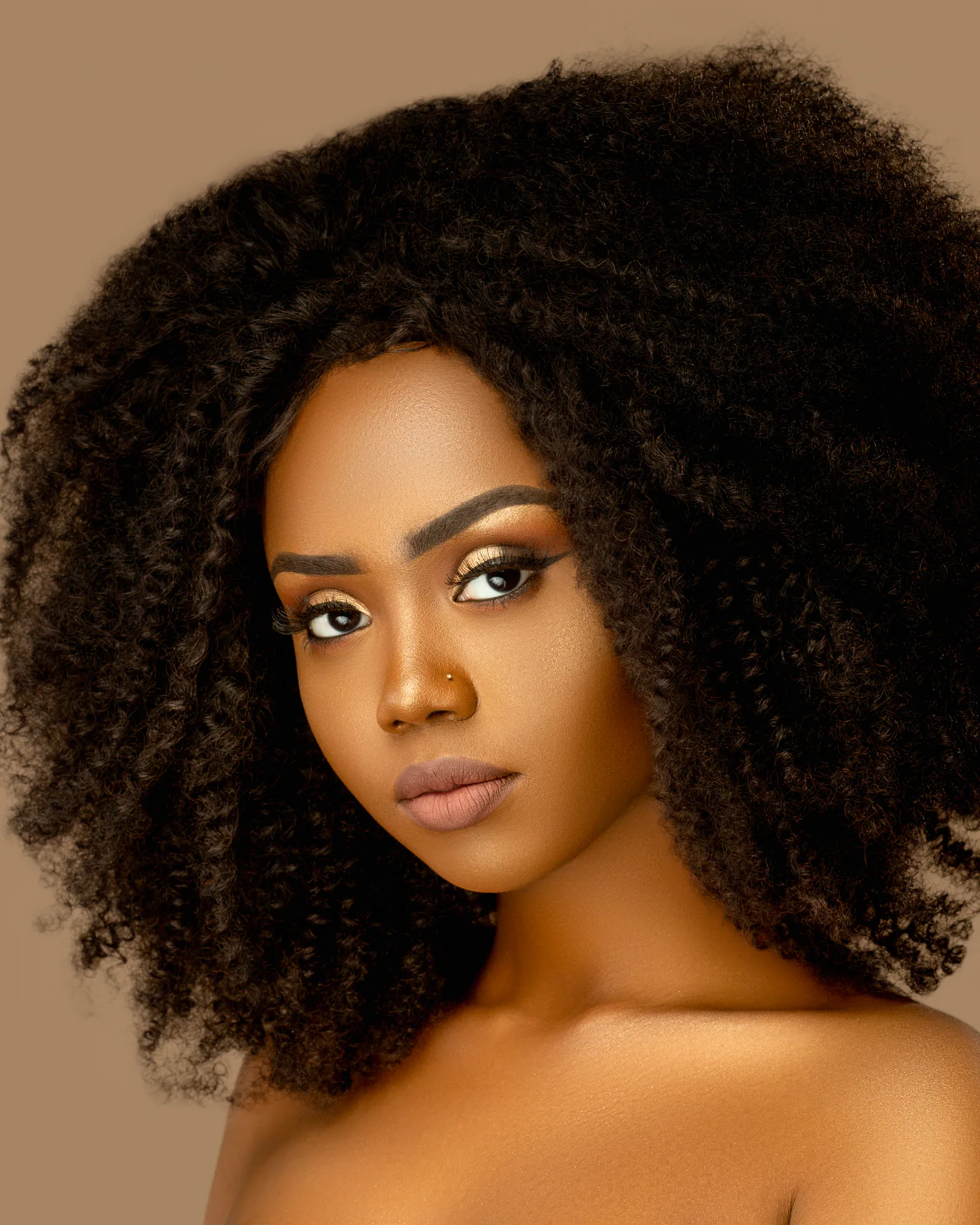
The second comparison demonstrates why this controlled sequence matters. The finished image is cleaner and more coherent, yet the model, fabric and lighting still feel photographed rather than reconstructed.
How to brief an outsourced fashion retoucher
A useful brief explains the purpose of the images before listing individual corrections. Include the campaign or publication context, where the work will appear, the intended mood and any non-negotiable brand requirements. References are most effective when they identify a specific quality such as skin texture, contrast or garment colour rather than simply showing another artist's finished image.
Send RAW or high-bit-depth working files whenever possible, along with layout crops, wardrobe references and notes from the photographer or art director. Mark exact requests on a separate reference image instead of drawing permanently over the source file. If the production contains many looks, group the files and specify which frame should lead each group.
Define the review process as well as the creative direction. One consolidated feedback document is faster and safer than separate messages from several stakeholders. Naming versions clearly also prevents an older approval from being mistaken for the current master.
- Intended use and final dimensions
- Creative references and protected details
- RAW or high-bit-depth source files
- Garment and colour references
- Consolidated feedback owner
- Deadline, time zone and delivery format
Choosing a fashion photo retouching service
Evaluate a retouching partner through relevant before-and-after work, communication and consistency, not through dramatic single-image transformations alone. A strong portfolio should show believable skin, controlled fabric and a coherent finish across several photographs. Ask how the studio handles confidentiality, colour-managed files, urgent changes and quality control for larger collections.
A representative test is useful when the visual direction or working relationship is not yet established. It gives both sides a chance to align expectations before the complete project begins. The test should use a meaningful production image and be reviewed against the same criteria that will apply to the final commission.
Midori Studio works remotely with photographers, agencies and brands worldwide. A complimentary test may be available for suitable professional projects, many standard briefs can be delivered within 24 hours after scope and source files are confirmed, and tailored rates are available for recurring or higher-volume work. Smaller assignments are equally welcome and are quoted according to their actual requirements.
The most valuable partner is the one who can translate a brief into repeatable visual decisions. That combination of craft, communication and delivery discipline keeps the photography distinctive while making production easier for everyone involved.