Fashion retouching prices are starting points, not automatic totals
Midori Studio uses per-image starting rates to make early budgeting practical. Basic retouching begins at US$3 per image, Model retouching at US$5, High-end retouching at US$10, and suitable Composite work commonly falls around US$10–20+ per image. These figures describe an expected level of work; they are not a promise that every source file will fit the same scope.
The final quote is confirmed after representative files are reviewed. Skin condition, flyaway hair, garment cleanup, background repair, colour continuity, final dimensions and turnaround can all change the working time. A consistent lookbook photographed in one setup is usually easier to estimate than a campaign mixing close beauty frames, full-length fashion images and constructed backgrounds.
A written quotation should identify the selected level, image count, included review process and delivery format. If the brief changes after approval, any additional work is discussed before it is carried out. This protects the client from an unclear total and protects the visual standard from being reduced to meet an unsuitable fixed rate.
- Basic retouching — from US$3 per image
- Model retouching — from US$5 per image
- High-end retouching — from US$10 per image
- Composite retouching — commonly US$10–20+ per image
- Final price confirmed after source-file and brief review
What the Model retouching level can include
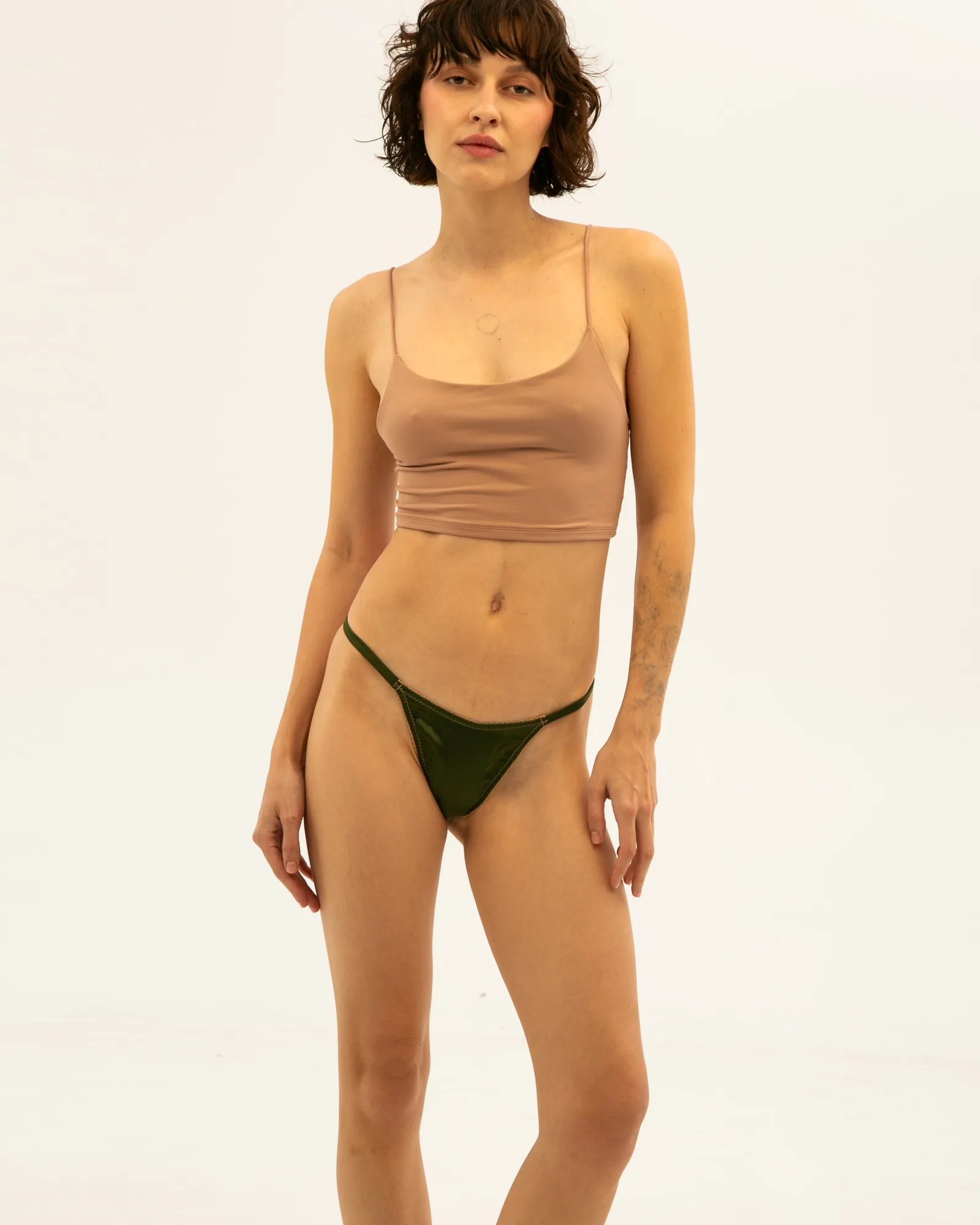
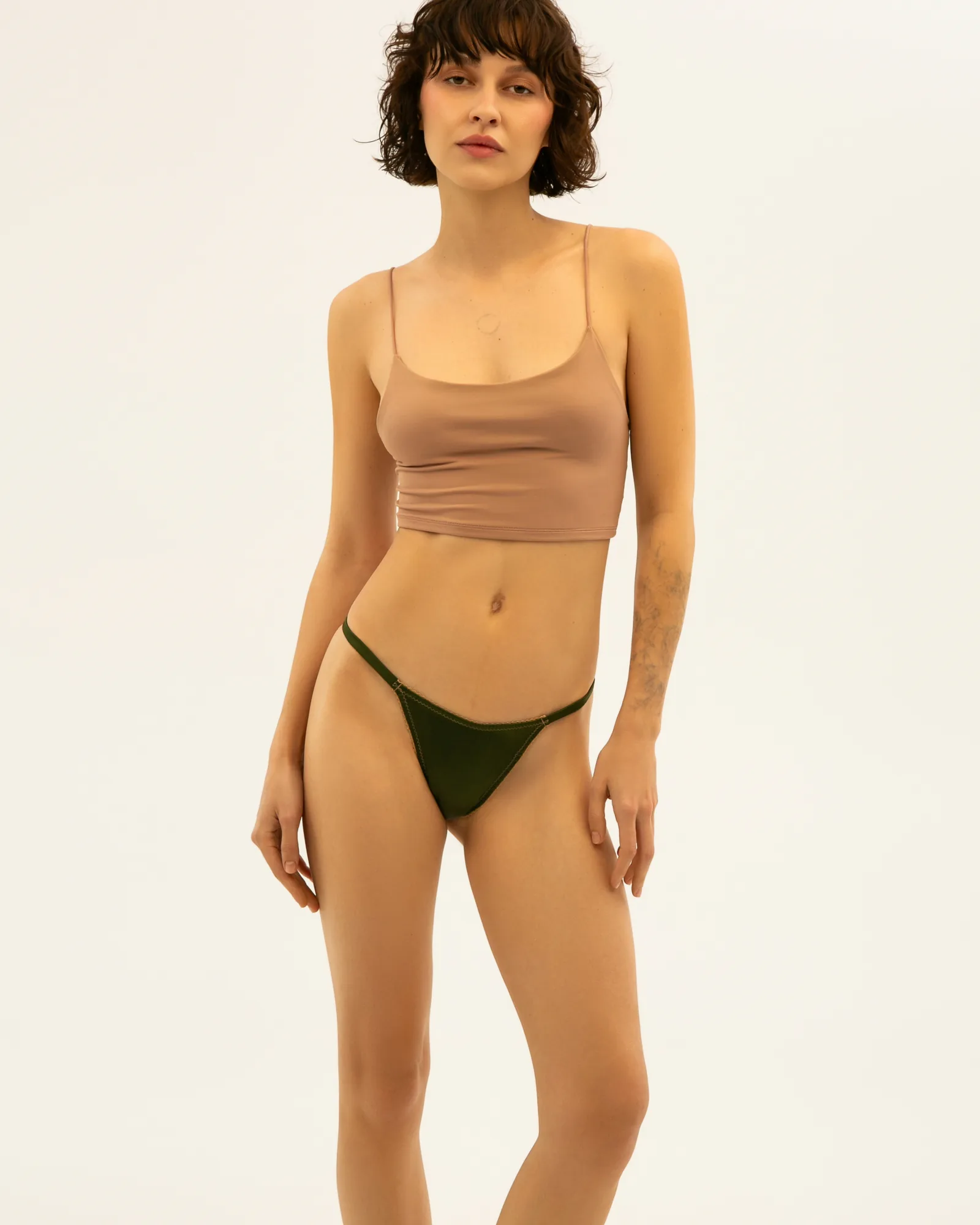
Model retouching is intended for fashion and editorial images that need controlled cleanup without the close, time-intensive finish of a beauty hero. Typical work may include temporary skin distractions, restrained tone balancing, selected flyaway hairs, small wardrobe distractions, background marks and a clean colour adjustment.
The aim is not to rebuild the subject. Natural anatomy, permanent features and the photographed character remain unless the approved brief requests otherwise. Garments are cleaned without removing construction or material texture, and skin is kept believable at the agreed output size.
The example below is labelled Model because it represents that scope. It should not be read as a guarantee that every full-length frame costs exactly US$5: difficult hair, extensive fabric reconstruction, body reshaping or a damaged background would require a revised estimate.
When a fashion image needs High-end retouching
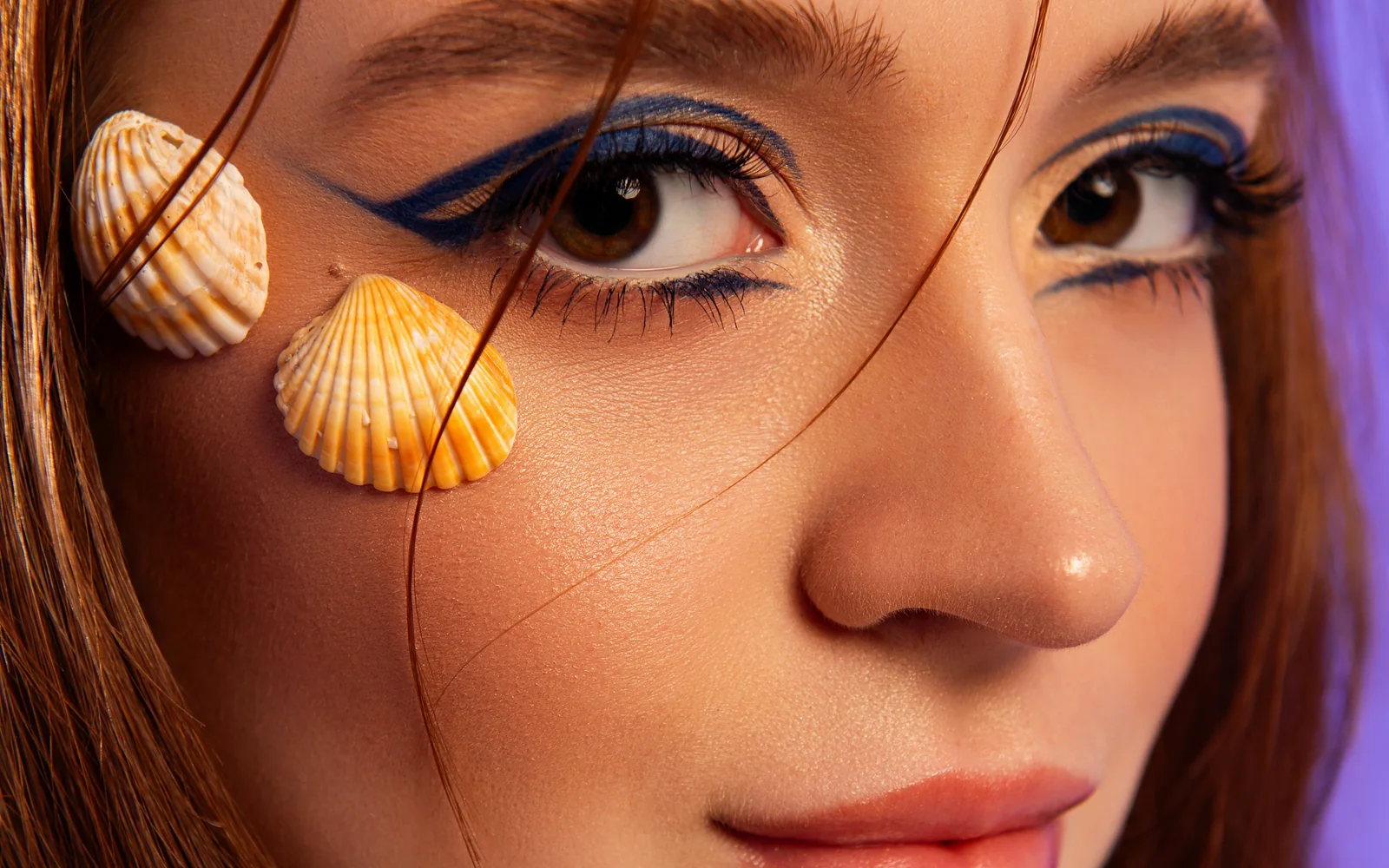
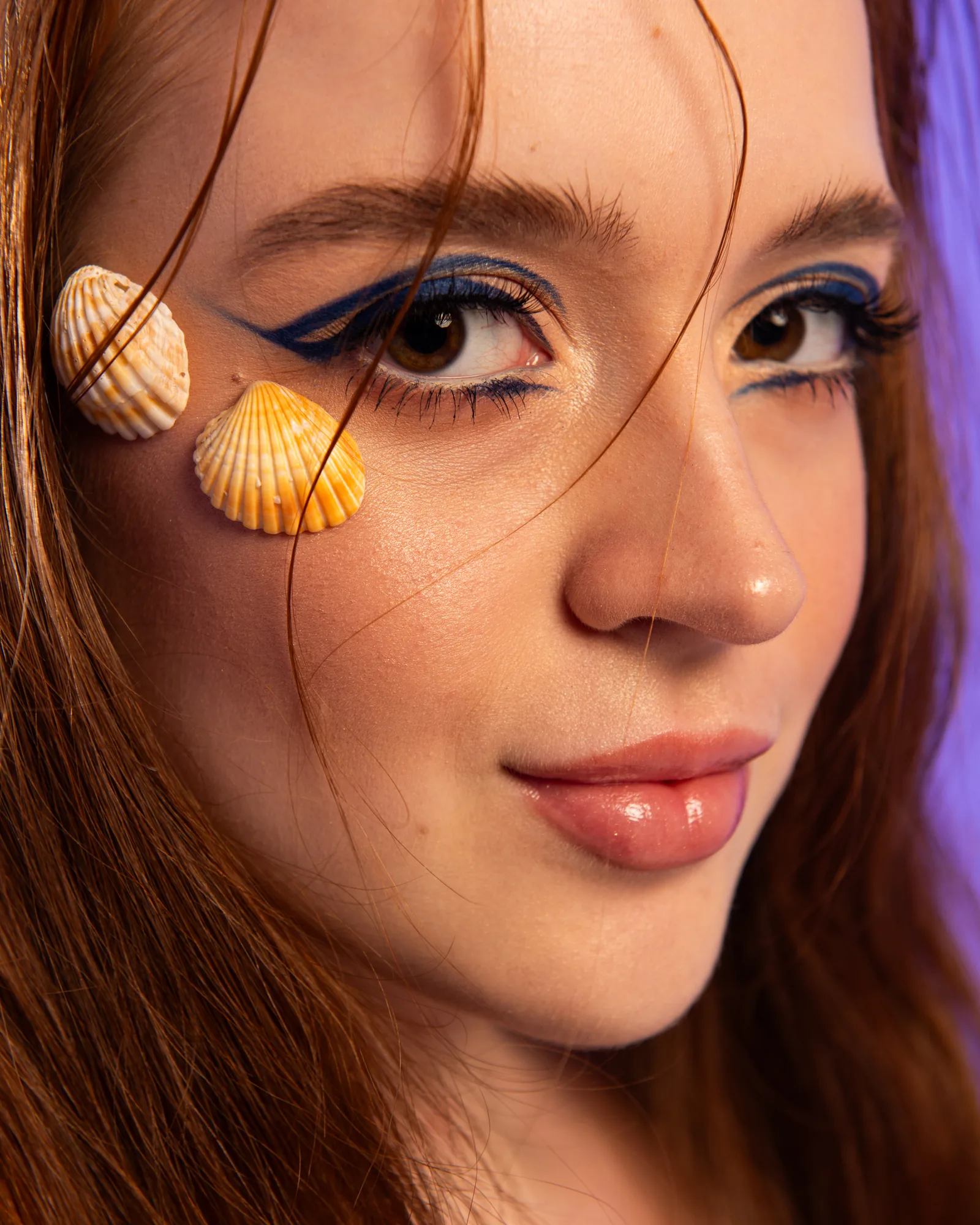
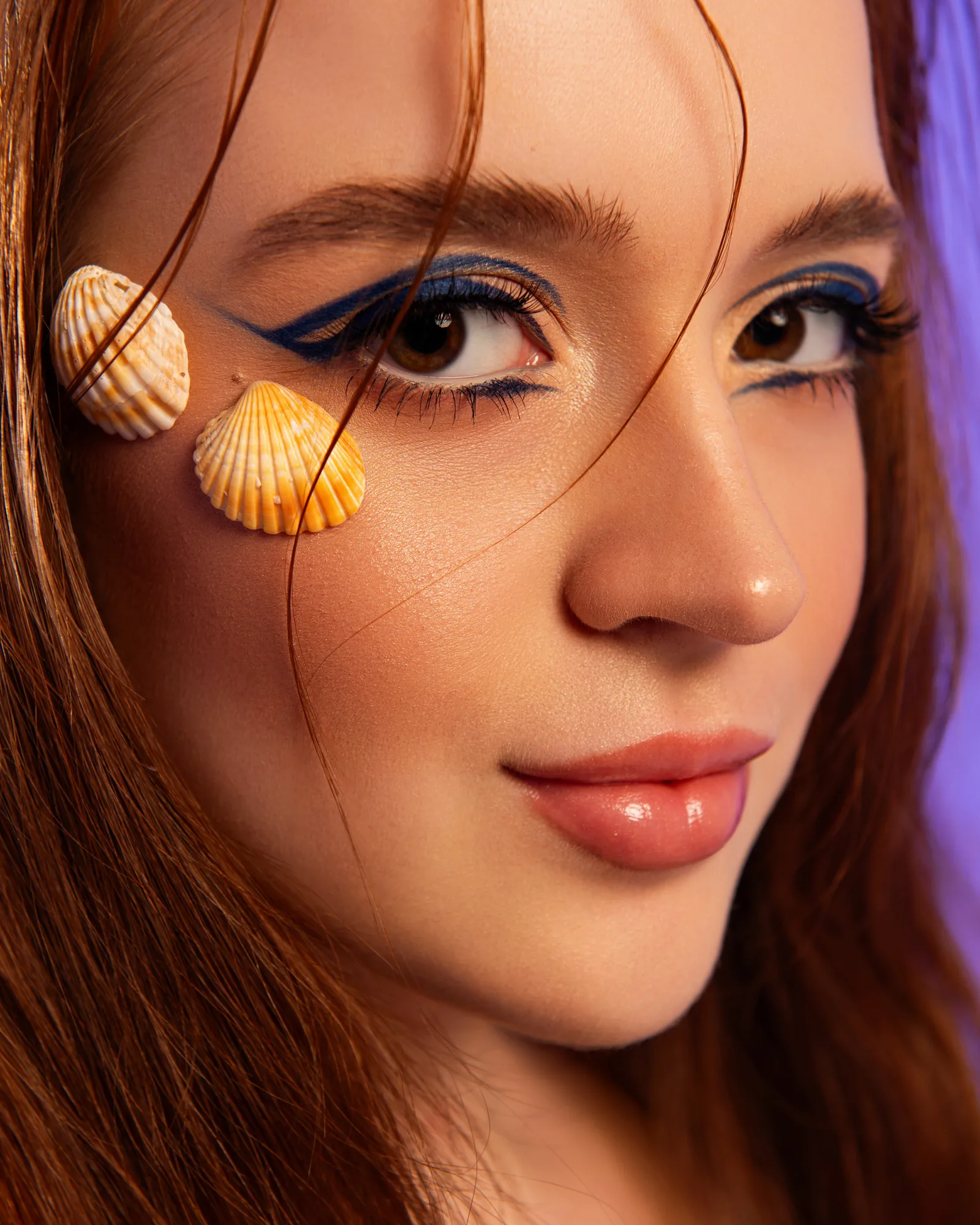
High-end retouching is designed for images that will be inspected closely or reproduced prominently. Beauty-led fashion, campaign heroes, cosmetics imagery and large-format crops can require detailed dodge and burn, precise colour separation, makeup refinement, hair work and repeated quality checks at full resolution.
The work remains selective. Pores, fine transitions and facial structure are protected while temporary distractions and uneven tone are refined. Strong styling details such as the blue liner and shells in this image must remain crisp and intentional rather than being softened by broad skin processing.
The High-end starting rate is US$10 per image for suitable files and a clearly defined finish. Extensive reconstruction, difficult compositing, many output versions or urgent scheduling may require a tailored quote. The comparison demonstrates the level of close inspection, not a one-click difference designed to look dramatic.
What changes the final fashion retouching cost
Complexity is measured by the requested result as well as the visible condition of the original. One small mark may be quick to remove, while rebuilding hair against an uneven background or reshaping a patterned garment can require careful reconstruction. Final size also matters because a web catalogue image and a campaign crop for print are inspected differently.
Series consistency adds production value that is easy to overlook. White balance, skin warmth, black point, garment colour and background density must work together when the images are viewed as a collection. A repeatable setup can create efficiency, but each frame still needs individual judgement and quality control.
The safest estimate uses two or three representative originals, the total image count and a specific description of the finish. Midori Studio can then group files by level rather than charging a High-end rate for images that need only Model or Basic work.
- Source resolution and capture quality
- Skin, hair, garment and background condition
- Final crop, dimensions and print or web use
- Colour matching across the complete series
- Composite elements or missing-image reconstruction
- Deadline, volume and required review rounds
A clear workflow from file review to final approval
The process begins with source-file review. Midori Studio checks the representative images, references, total count, intended use, final dimensions and deadline before confirming scope and price. Any files that fall outside the expected level can be separated before production begins.
A representative image is then developed as the visual master when the project requires alignment. Skin treatment, garment cleanup, colour direction and contrast are reviewed on that frame. Once approved, the same decisions guide the rest of the collection without applying one automatic treatment to every photograph.
Production is followed by close quality control and a sequence review. Edges, skin transitions, hair, hands, garment seams, background joins and colour consistency are checked at working size and final output size. Consolidated client feedback is applied to the agreed review round before final export.
- 01 — Review representative files and the brief
- 02 — Confirm scope, rate and delivery schedule
- 03 — Approve a visual master when required
- 04 — Retouch the set and check series continuity
- 05 — Apply consolidated feedback and deliver finals
What clients receive after fashion retouching
Final deliverables follow the approved brief rather than one universal package. Standard delivery normally includes finished images exported to the agreed dimensions, colour space, format and naming convention. Web and print versions can be prepared when both are specified before quoting.
Layered working files are not automatically included because they are substantially larger and may contain production-only layers, licensed assets or methods not required for normal use. If layered PSD or TIFF files, alternate crops, clipping paths or several colour versions are needed, they should be listed at the enquiry stage so the quote covers them accurately.
Clients also receive clarity about the approved scope and version. The final set is checked against the delivery list so that file count, names and output specifications match the commission. Source-file archiving and future revisions should be agreed separately rather than assumed to continue indefinitely.
- Retouched final images in the agreed format
- Confirmed dimensions, crop and colour profile
- Consistent file names and organised delivery
- Web, print or alternate exports when included
- Layered files only when specified in the quotation
How to request an accurate fashion retouching quote
Send two or three representative original files, including the easiest and most difficult frame if the set varies. Add the total image count, visual references, intended usage, required dimensions, delivery format and real deadline. Mark exact requests on reference copies while keeping the original files untouched.
State which details must remain unchanged, especially garment colour, construction, permanent skin features and brand-specific styling. If the images require different levels, identify the expected hero frames and supporting frames. Midori Studio can confirm whether Basic, Model, High-end or Composite treatment best matches each group.
The rates on this page are indicative planning figures. A firm price and schedule are provided only after the files and brief have been reviewed. That review is what makes the estimate useful: the client knows what will be changed, what will be delivered and what the approved total covers before production starts.